


Secret Organizations as Antagonists: What Makes Unity So Compelling?
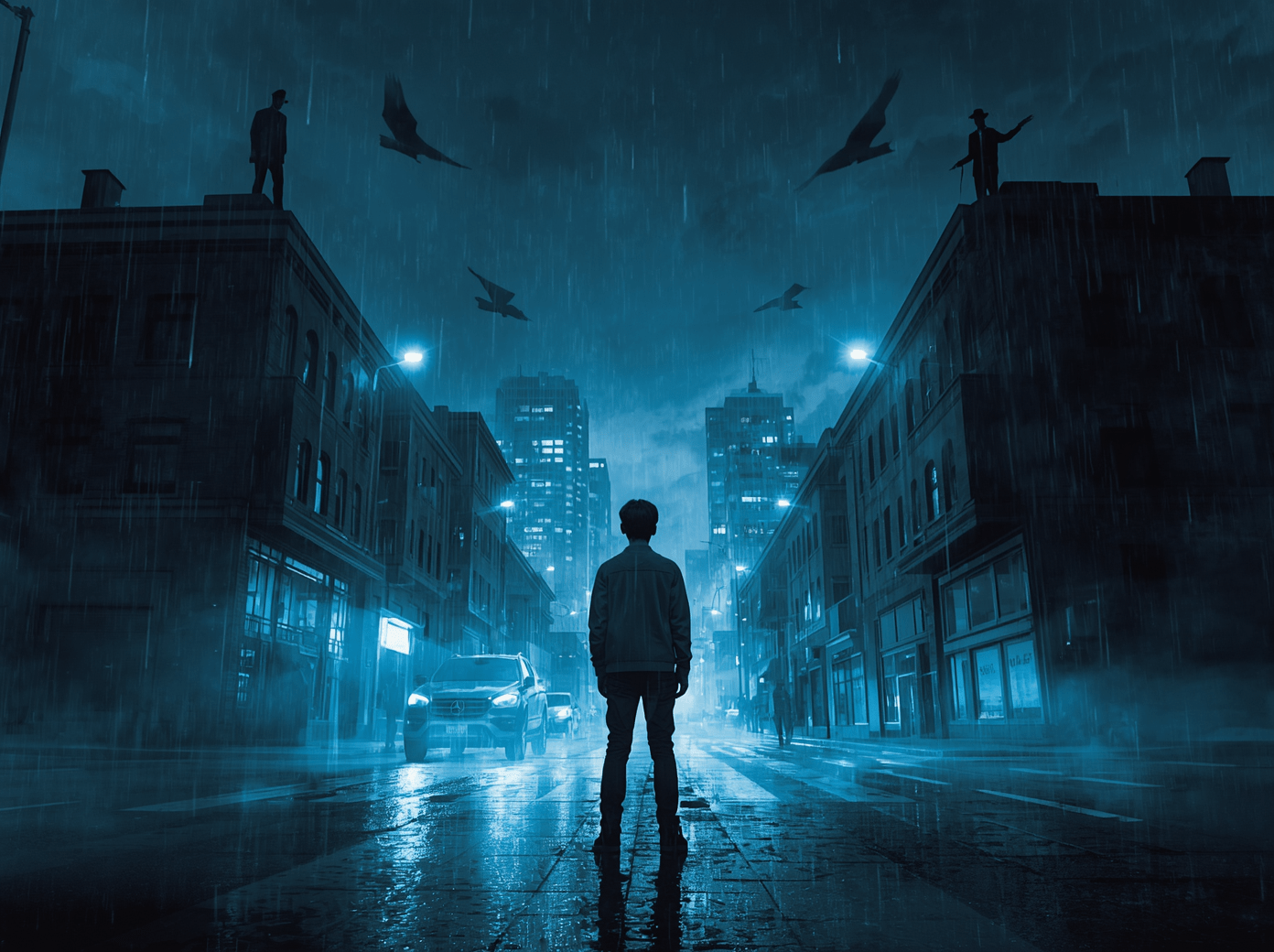
In The Atlantian Chronicles: Fight for Survival, the primary antagonist is a shadowy and powerful secret organization known only as Unity. Unity seeks to capture those with Atlantian heritage. They view them as a volatile resource that must be identified, neutralized, and controlled. They appear to have extensive reach, capable of pursuing perceived enemies across state lines and through various environments. Their existence suggests a long-standing conspiracy to keep the reality of surviving Atlantians hidden from the general public.
Narrative Purpose
Unity serves as the driving force behind the story’s conflict, acting as the relentless pursuer of the protagonist, Bryce Hillcrest. Unity represents the classic shadowy institution trope common in modern YA fantasy thrillers. The existence of these shadowy existence creates a world where the protagonist must constantly question who to trust as he navigates a landscape filled with both hidden allies and disguised enemies.
Why Are Secret Originations Compelling Antagonists?
In fiction, secret organizations, like Unity, are compelling because they represent an untouchable threat that taps into deep-seated human fears and curiosities.
Here is why this type of antagonist works so well:
1. The “David vs. Goliath” Dynamic
A secret organization provides a massive power imbalance. Unlike a single villain, an organization has infinite resources, money, and reach. Watching a single teenager like Bryce use only his wits and newfound powers to outsmart a global machine creates an ultimate underdog story that is incredibly satisfying to follow.
2. Mirroring Real-World Anxieties
These groups often serve as metaphors for systemic corruption. In a world where people often feel like “just a number” or “watched” by big tech and government agencies, a fictional group like Unity gives readers a concrete target to root against. It allows readers to process their own feelings of powerlessness in the face of large, faceless institutions.
3. The Mystery Box (The “Why?”)
A secret organization is a narrative engine. Because their full goals are usually hidden, they keep the reader turning pages to answer key questions:
- What is their endgame?
- Who is truly in charge?
- How deep does the conspiracy go?
The slower the “reveal,” the more intense the suspense.
4. Moral Ambiguity
Compelling organizations often believe they are the heroes of their own story. They might claim they are saving the world or keeping order by capturing people with powers. This creates a fascinating conflict where the antagonist isn’t just evil for the sake of evil, but represents a dangerous ideology that challenges the hero’s worldview.
5. Paranoia and Isolation
These antagonists turn the hero’s world into a minefield. When an organization can be anywhere—disguised as teachers, neighbors, or police—it creates a psychological thriller element. The hero can never truly relax, which keeps the pacing fast and the tension high for the reader.
Popular Secret Organizations in Young Adult Fiction Genres
In YA suspense thrillers genre, there are a number of antagonistic secret organizations that mirror the high-tech, relentless nature of Unity from The Atlantian Chronicles: Fight for Survival. Here are three notable antagonistic organizations in this genre:
- WICKED (World In Catastrophe: Killzone Experiment Department): Featured in James Dashner’s The Maze Runner series, this group subjects teenagers to lethal “trials’ in a clinical, heartless pursuit of a cure for a global virus.
- Innovations Academy Guardians: In Girls With Sharp Sticks by Suzanne Young, the faculty and “Guardians” of this elite boarding school operate as a secretive cult of control, using advanced behavioral conditioning and surveillance to keep their students obedient.
- The Circle: A pervasive and shadowy organization in Jennifer Estep’s Elemental Assassin series that serves as a constant threat to the protagonist through its global criminal and political influence.
Ultimately, secret organizations are effective antagonists as they provide a rich foundation for exploring group dynamics, the tensions between collective and individual action, and the dark side of power and exclusivity. This makes them a staple of the thriller and fantasy genres as they offer a formidable opponent that cannot be defeated by physical strength alone.